Two full days cover the valley well: the dzong and bridge on one day, Chimi Lhakhang and the chorten hike on another, with rafting if you like. With more time, continue to Wangdue and Phobjikha.
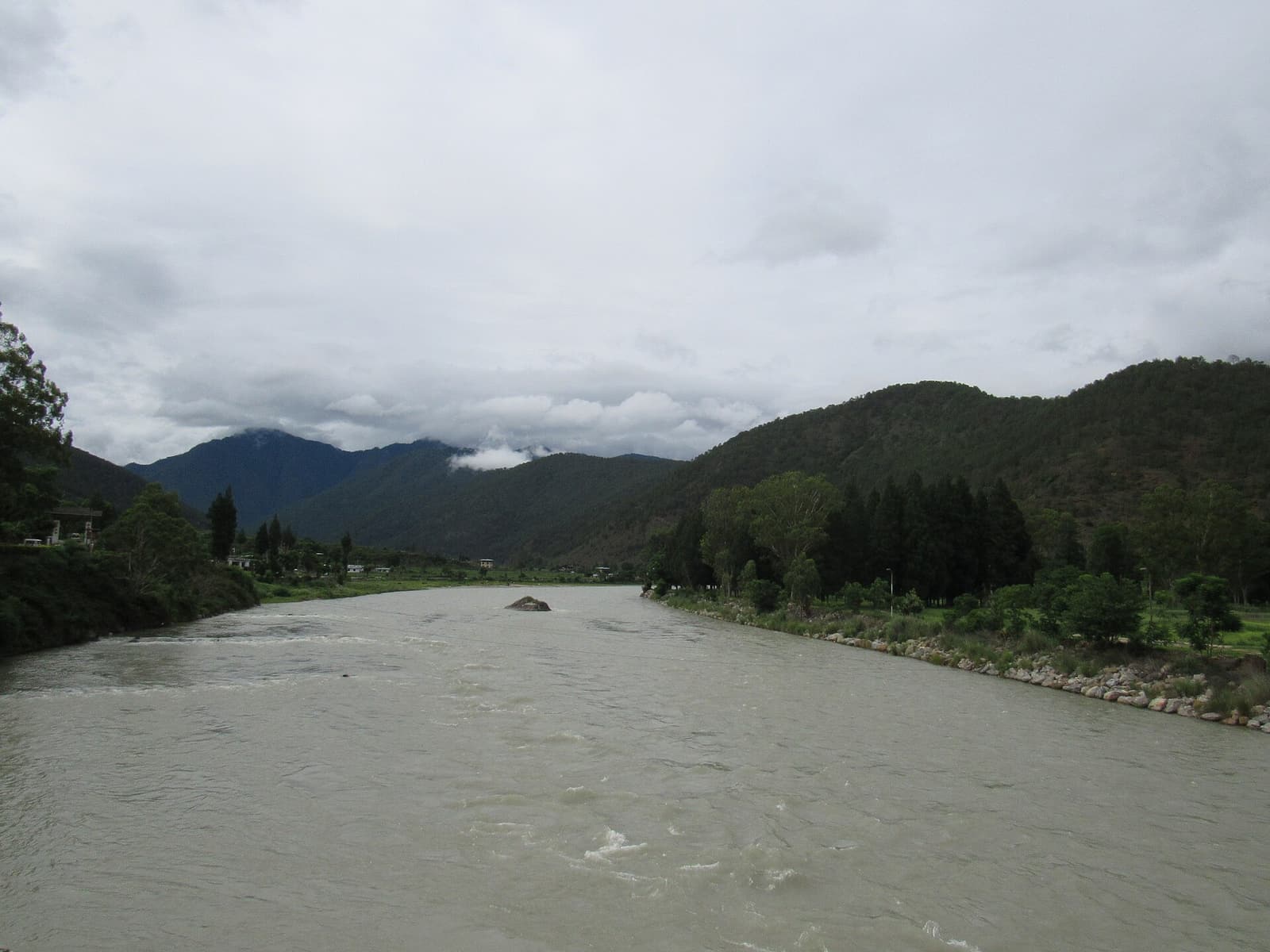
Things to do in Punakha
Temples, river walks and the road to the high valleys.
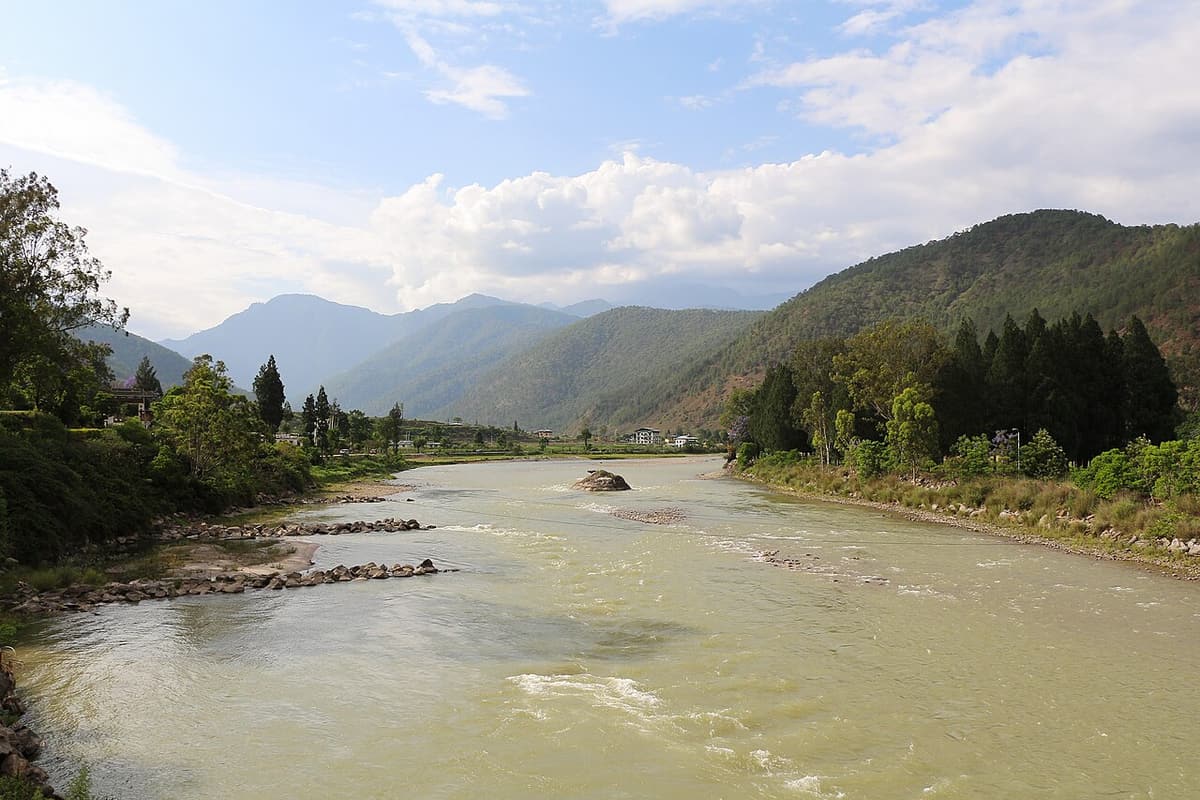
Punakha valley
 Punakha valley
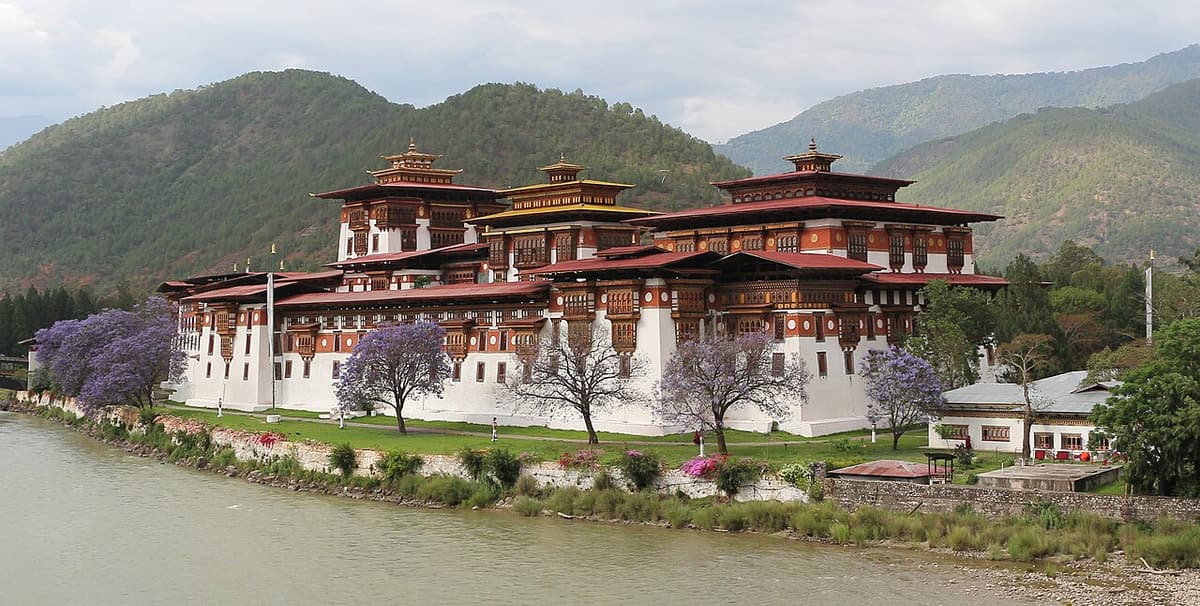
Punakha Dzong
The Palace of Great Happiness, where two rivers meet
Bhutan’s most admired fortress-monastery stands at the meeting of the Pho Chhu and Mo Chhu. Begun in 1637 by Zhabdrung Ngawang Namgyal, it is still a working monastic and government centre, and the place to start any visit.
 Punakha valley
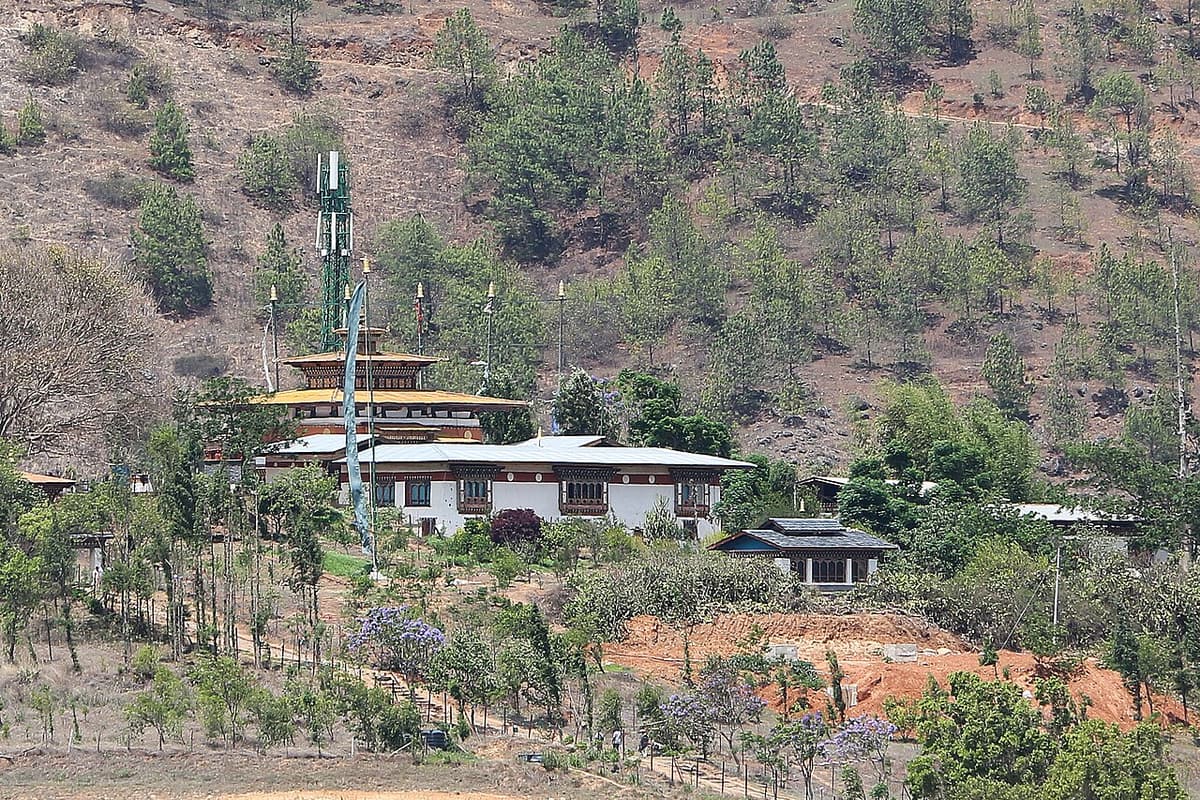
Chimi Lhakhang
The fertility temple of the Divine Madman
A small temple on a hillock near Lobesa, linked to the unconventional saint Drukpa Kunley. Couples come for fertility blessings, and the walk through rice fields is one of the valley’s gentlest pleasures.
 Punakha valley
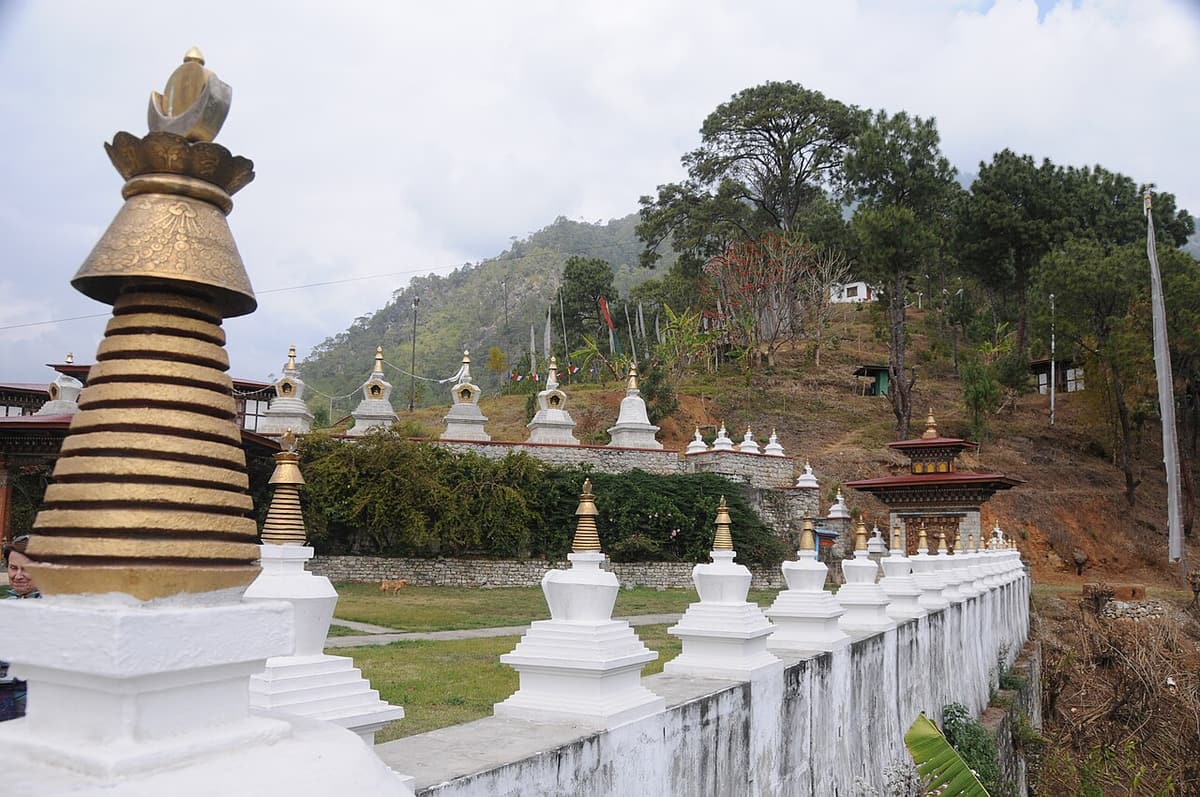
Khamsum Yulley Namgyal Chorten
A hilltop chorten above the upper valley
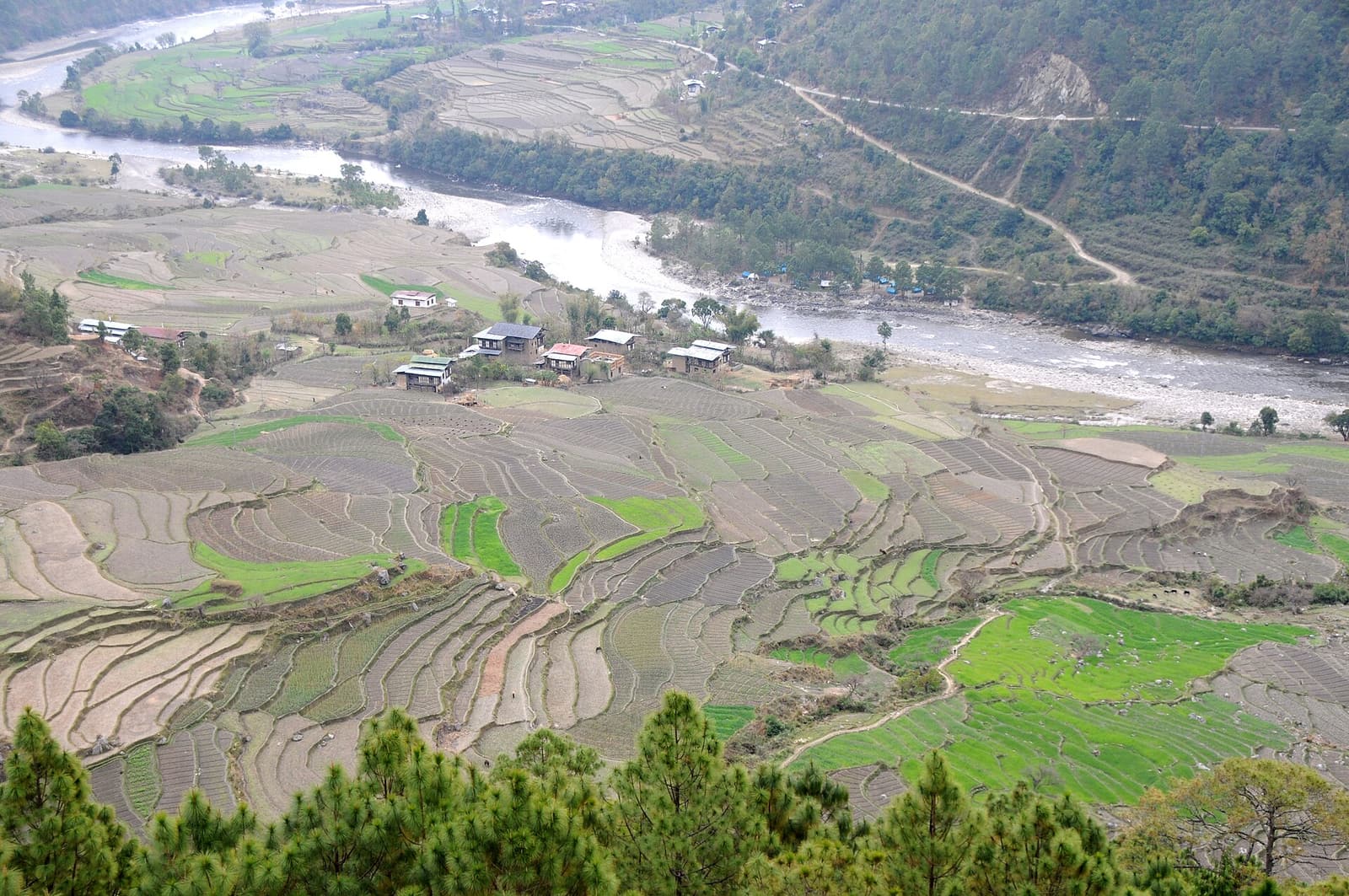
A striking modern chorten built under the patronage of a Queen Mother of Bhutan, reached by a footbridge and a climb through rice terraces. The roof gives one of the best views in the valley.
 Punakha valley
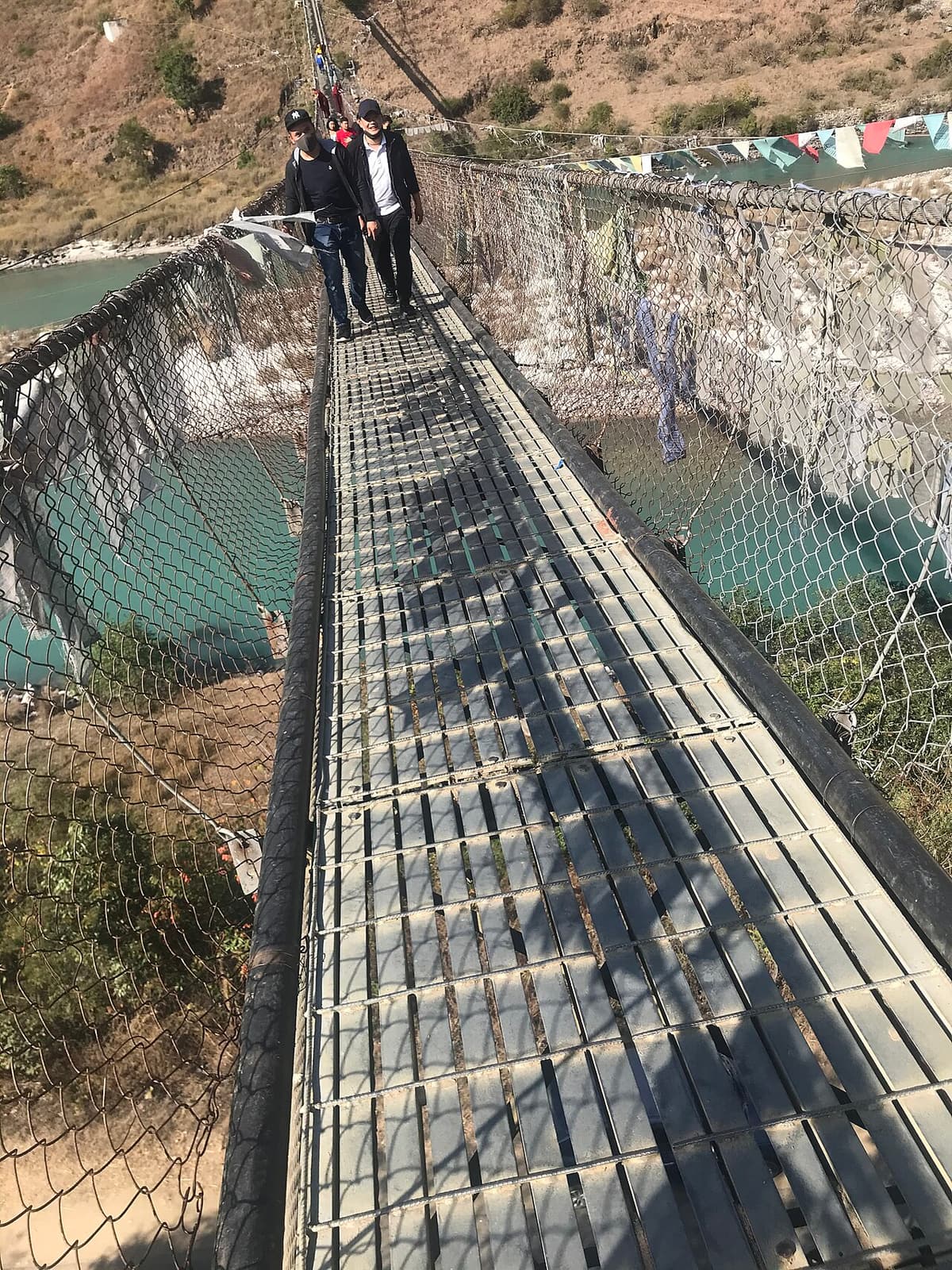
Punakha Suspension Bridge
One of Bhutan’s longest footbridges
A long, swaying footbridge hung with prayer flags over the Po Chhu, not far from the dzong. It takes only a short time to cross, and it is a favourite stop for photographs and a stretch of the legs.
 Punakha valley
Rafting on the Mo Chhu
Gentle water through the valley
Punakha is Bhutan’s best-known rafting area. Mo Chhu trips are usually gentle and scenic, finishing near the dzong, while the Pho Chhu is generally the livelier option. Your operator can add this to the plan.
Beyond the valley
 Beyond the valley
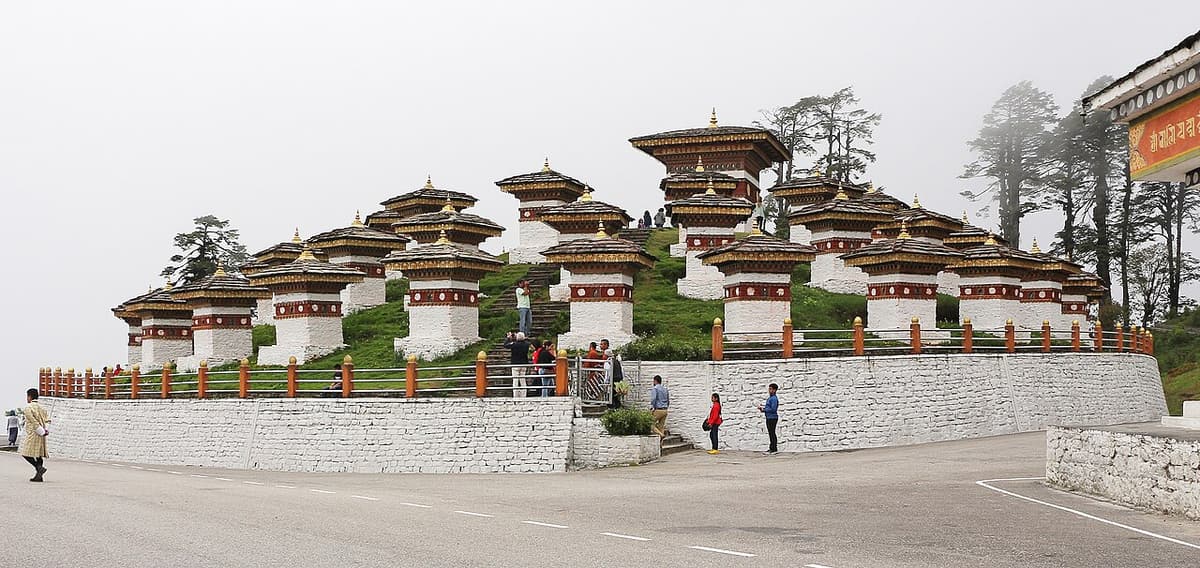
Dochula Pass
108 chortens on the road to Punakha
The pass between Thimphu and Punakha sits at about 3,100 m. Its 108 memorial chortens and temple make the classic stop on the drive, and on clear days the view reaches the high Himalaya.
 Beyond the valley
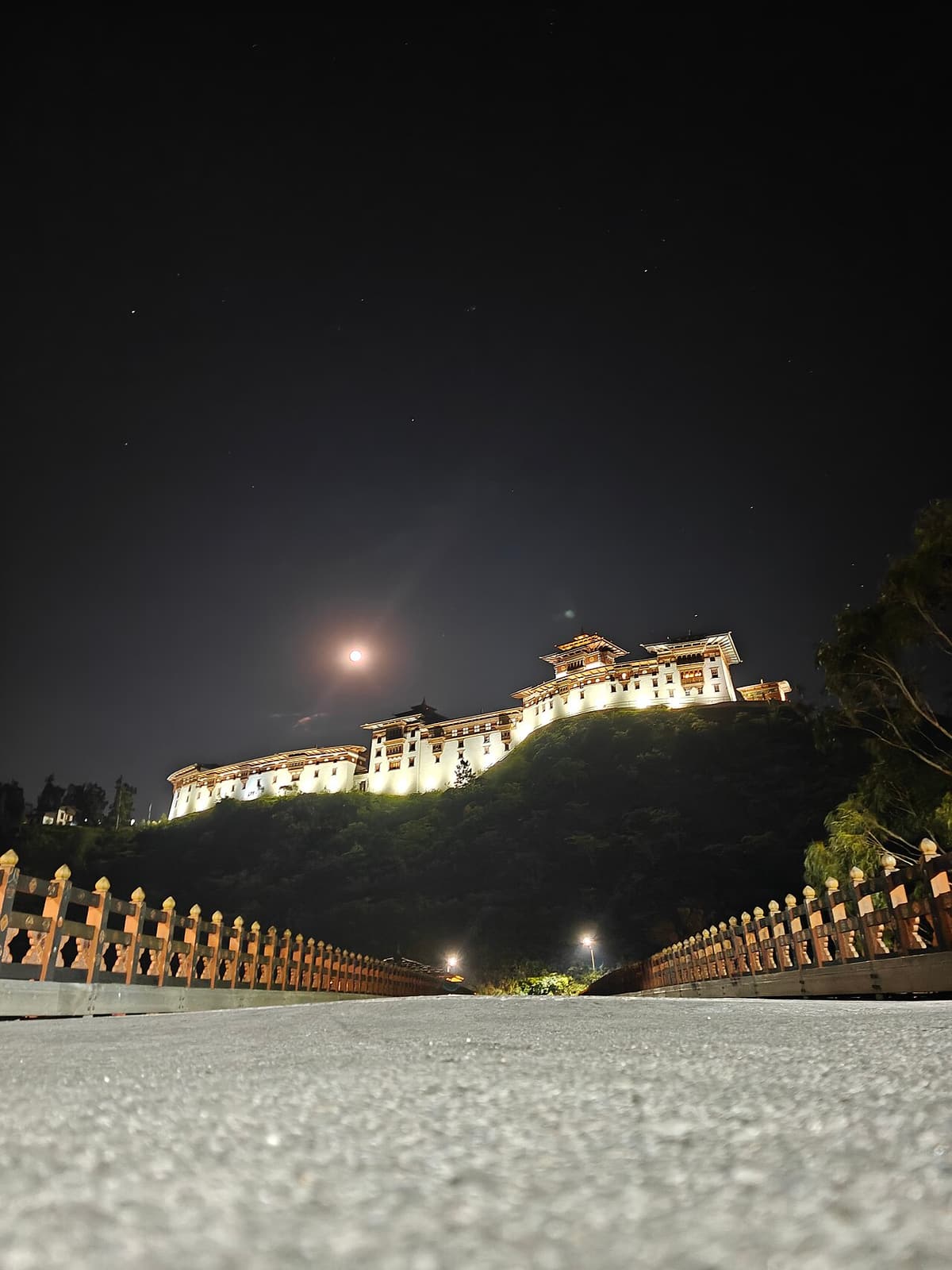
Wangdue Phodrang
The neighbouring district and its rebuilt dzong
South of Punakha, Wangdue is the gateway to central Bhutan. Its dzong, on a ridge above the river, was badly damaged by fire in 2012 and has been rebuilt.
 Beyond the valley
Phobjikha Valley
Wide glacial valley of the black-necked cranes
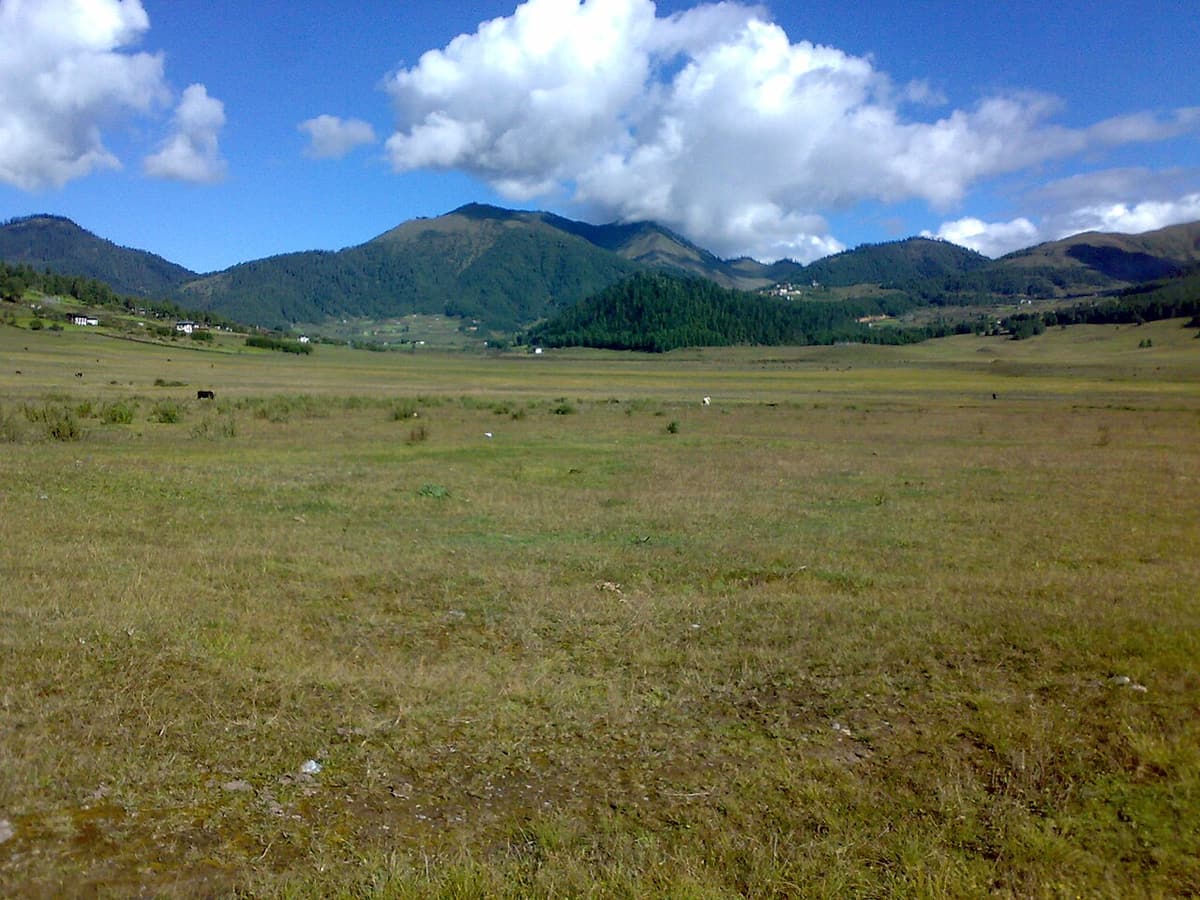
A high, open valley around Gangtey Monastery, famous for the black-necked cranes that winter here from about late November to February. It makes a superb extension from Punakha.
Ready to plan? Start with the travel guide, then see the tours.
Plan your Bhutan journey
See Punakha on a guided Bhutan itinerary
Most visitors combine Punakha with Paro and Thimphu on a private tour with a guide and driver. Compare the options on GetYourGuide, then check dates and inclusions.