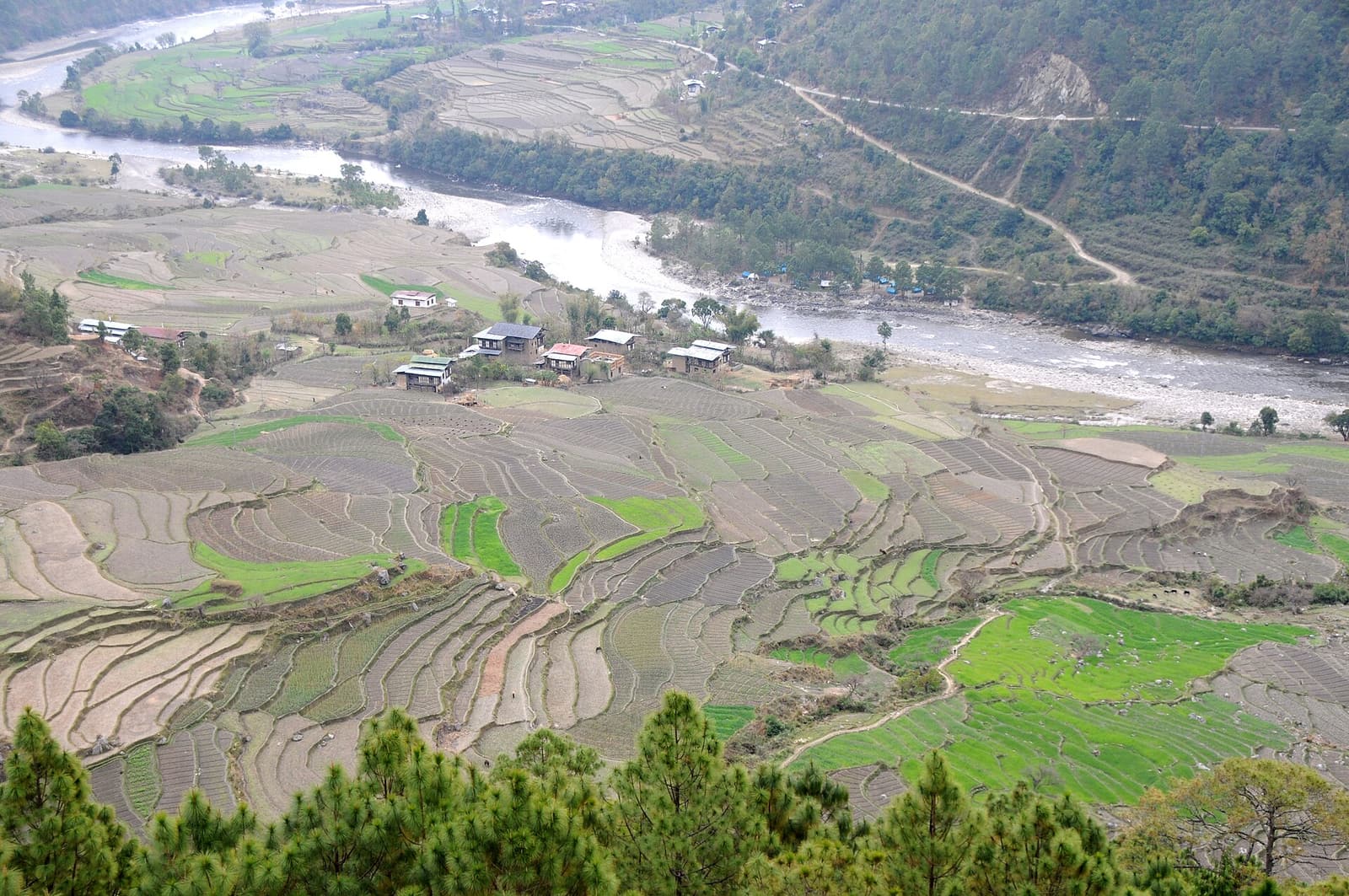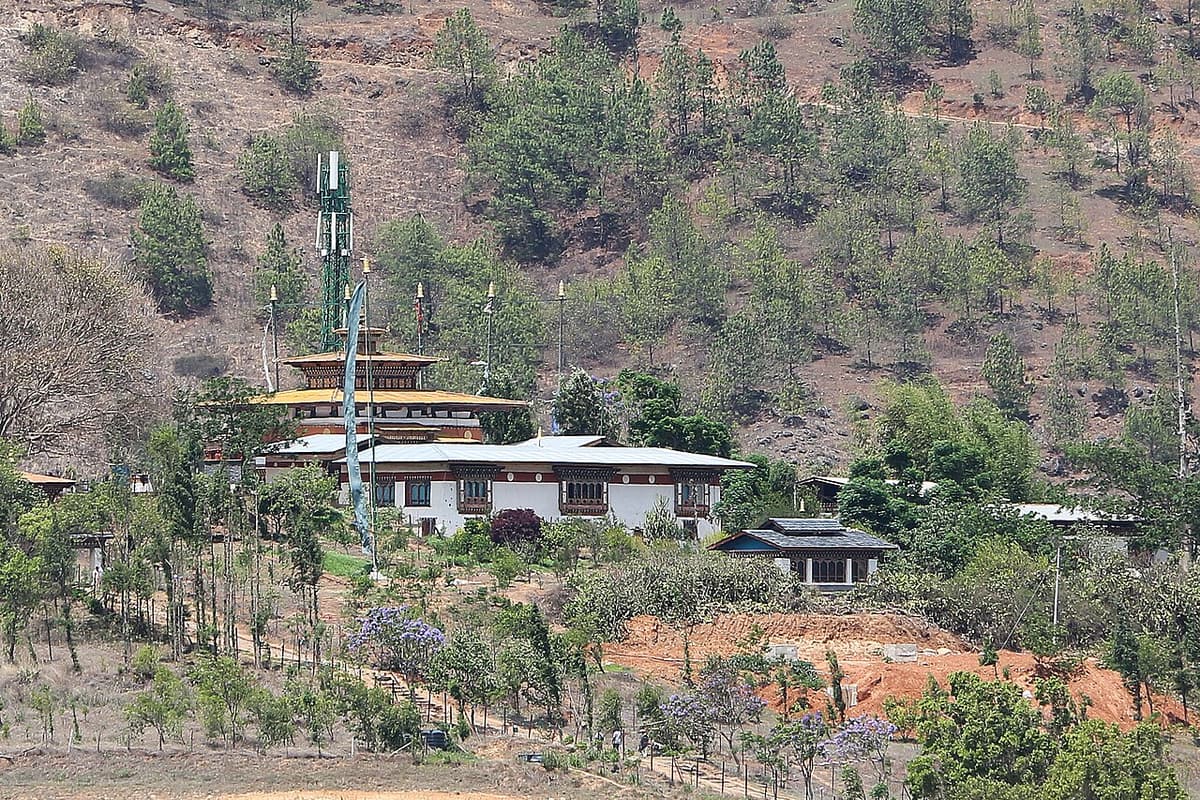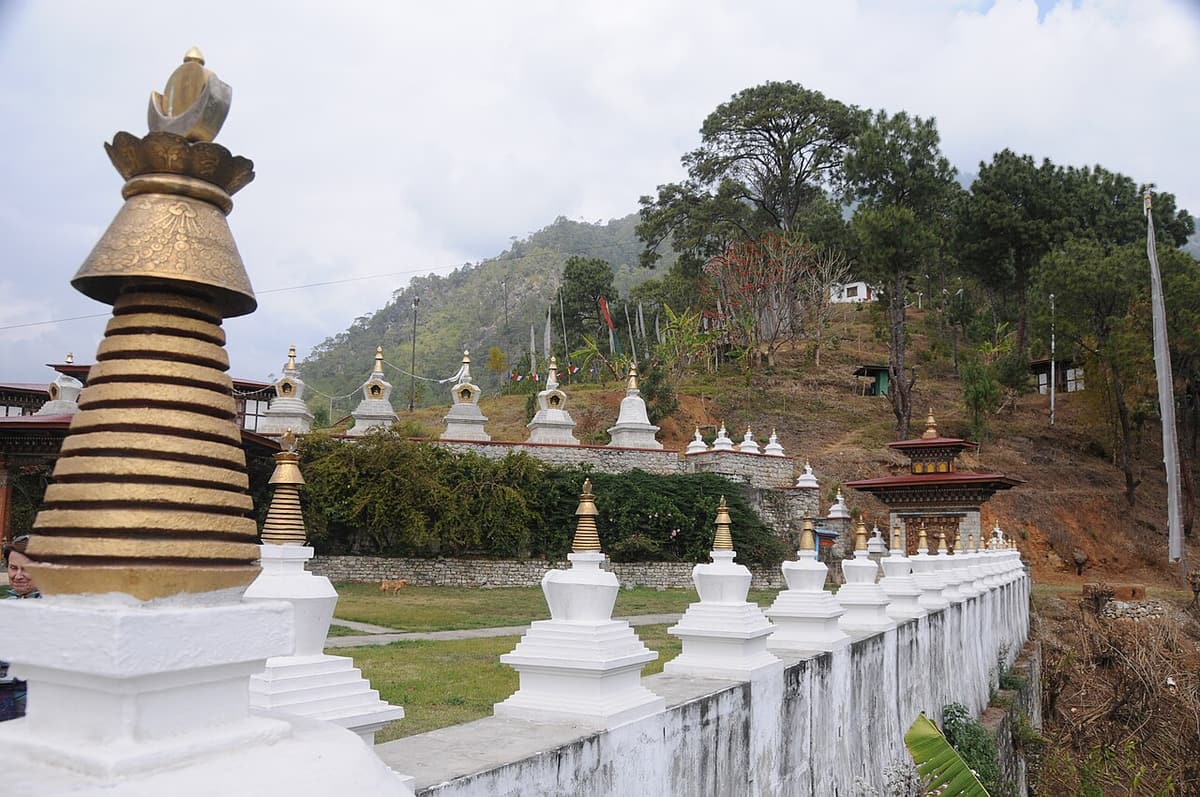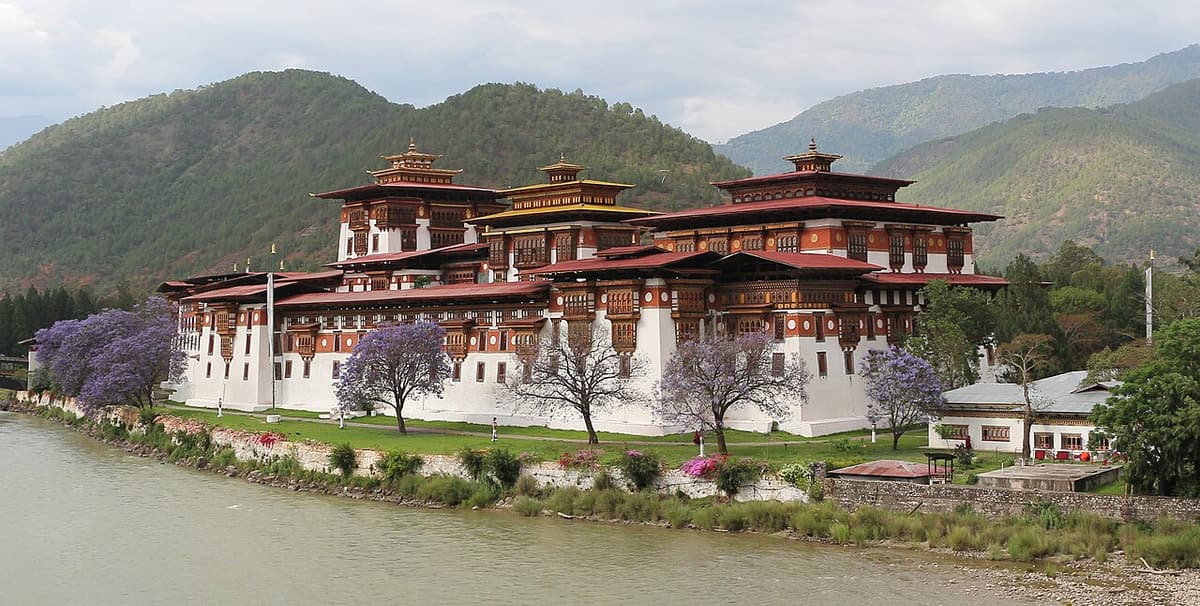
Few buildings in the Himalaya are as beautifully placed as Punakha Dzong. It rises on a spit of land where the Pho Chhu (“male river”) and Mo Chhu (“female river”) join, its whitewashed walls and dark red timber reflected in the water. Its formal name, Pungthang Dechen Photrang, means the Palace of Great Happiness.
Zhabdrung Ngawang Namgyal, who unified Bhutan, began the dzong in 1637 and it was ready the following year. He died here, and his embalmed body is still kept in a sacred chamber closed to visitors. Punakha served as Bhutan’s capital until the 1950s, and the dzong remains the winter home of the Central Monastic Body. Fire and floods have damaged it repeatedly, and each time it has been restored.
The dzong keeps its place in national life. The first King of Bhutan was crowned here in 1907, and the present King’s wedding was held here in 2011.
Top things to do at Punakha Dzong
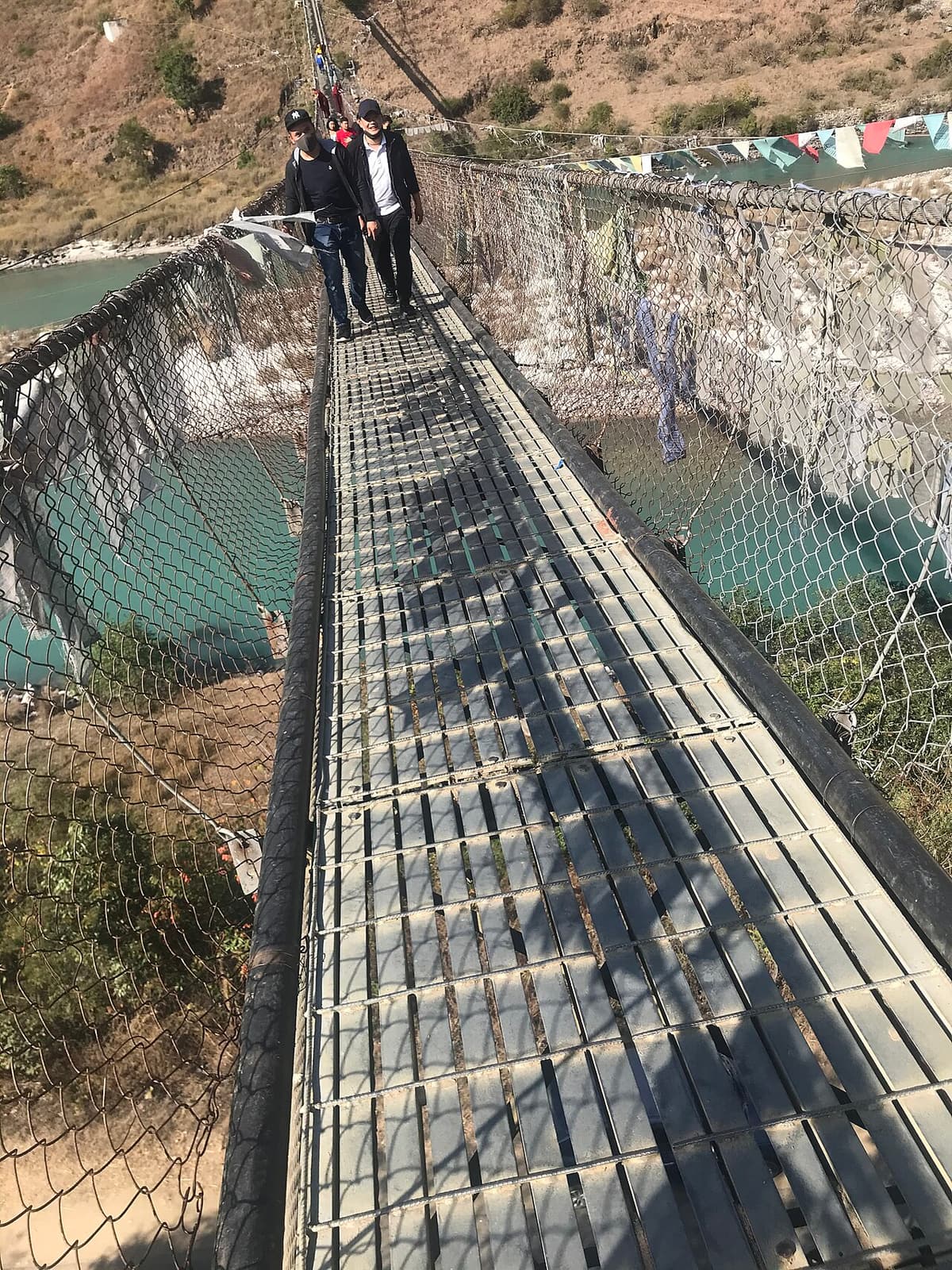
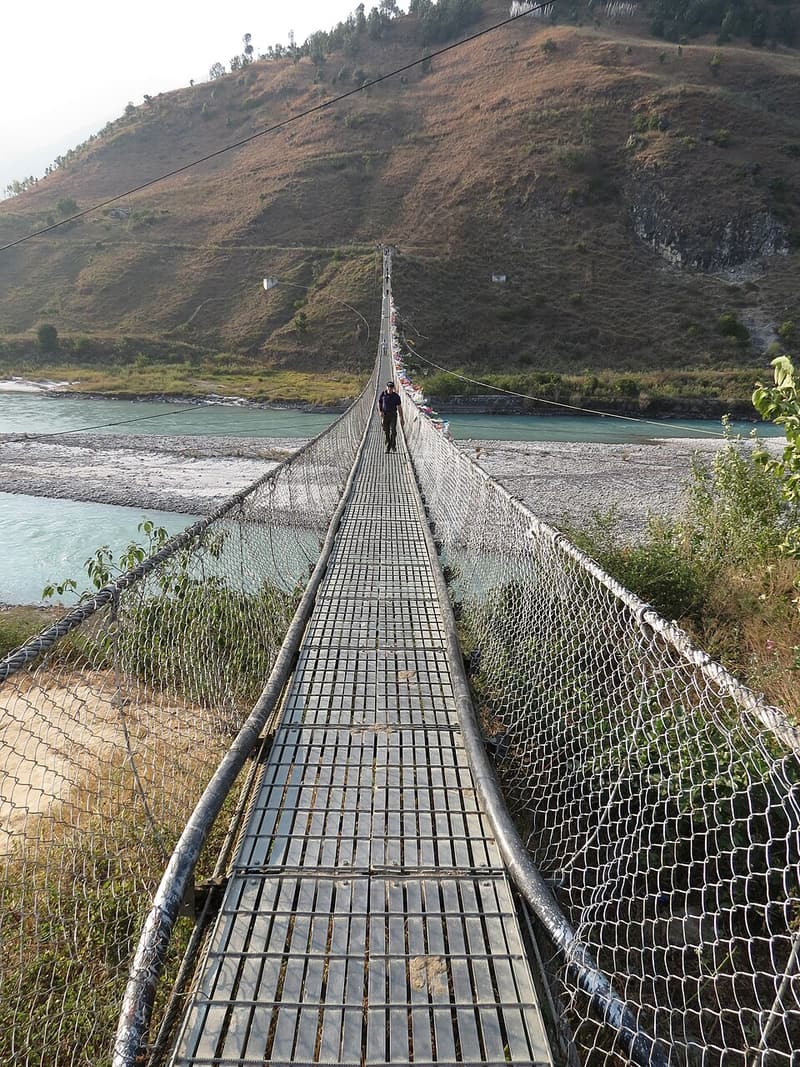
Cross the wooden cantilever bridge
The covered bridge over the Mo Chhu is the traditional approach, and it frames the classic view of the walls.
Walk the courtyards
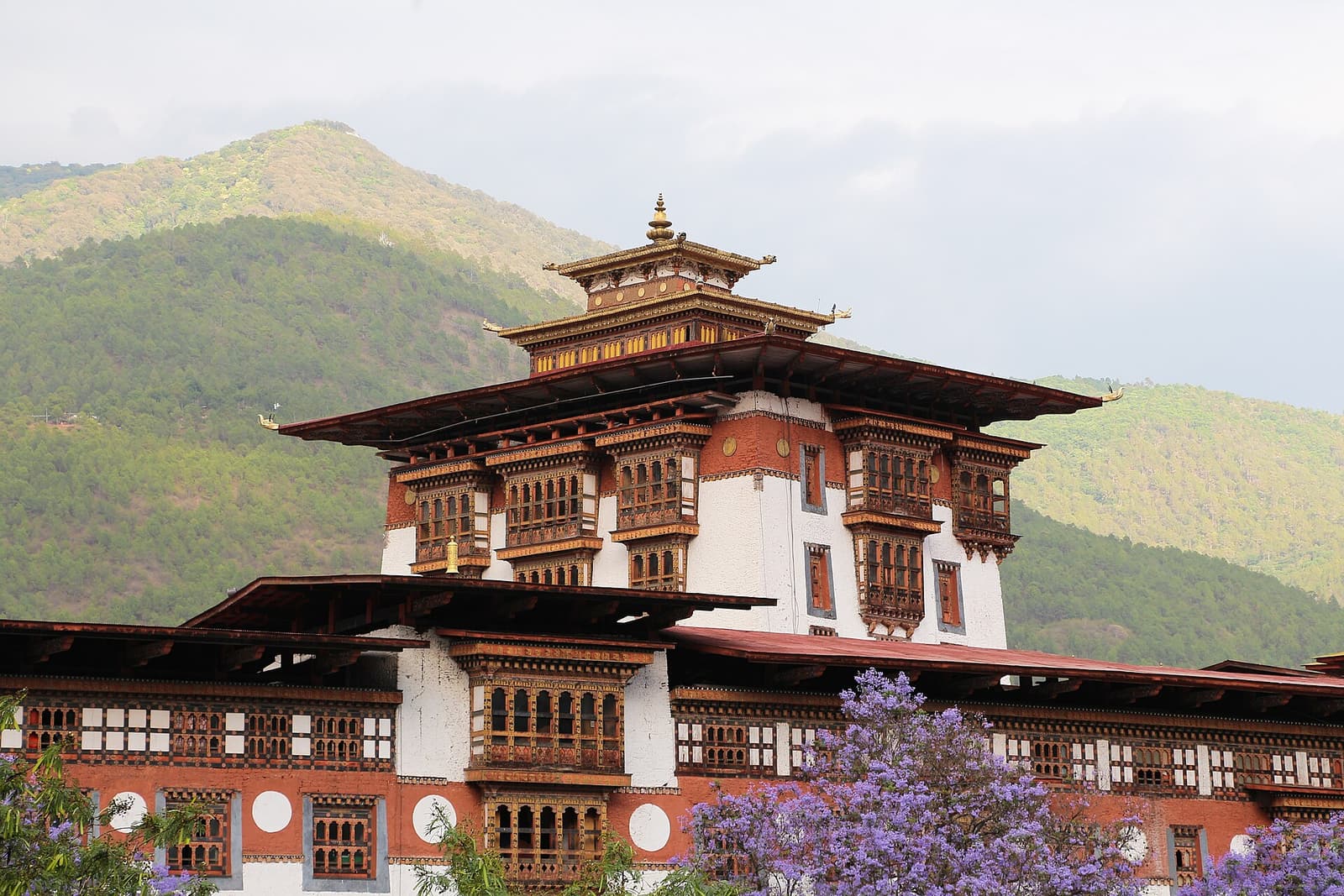
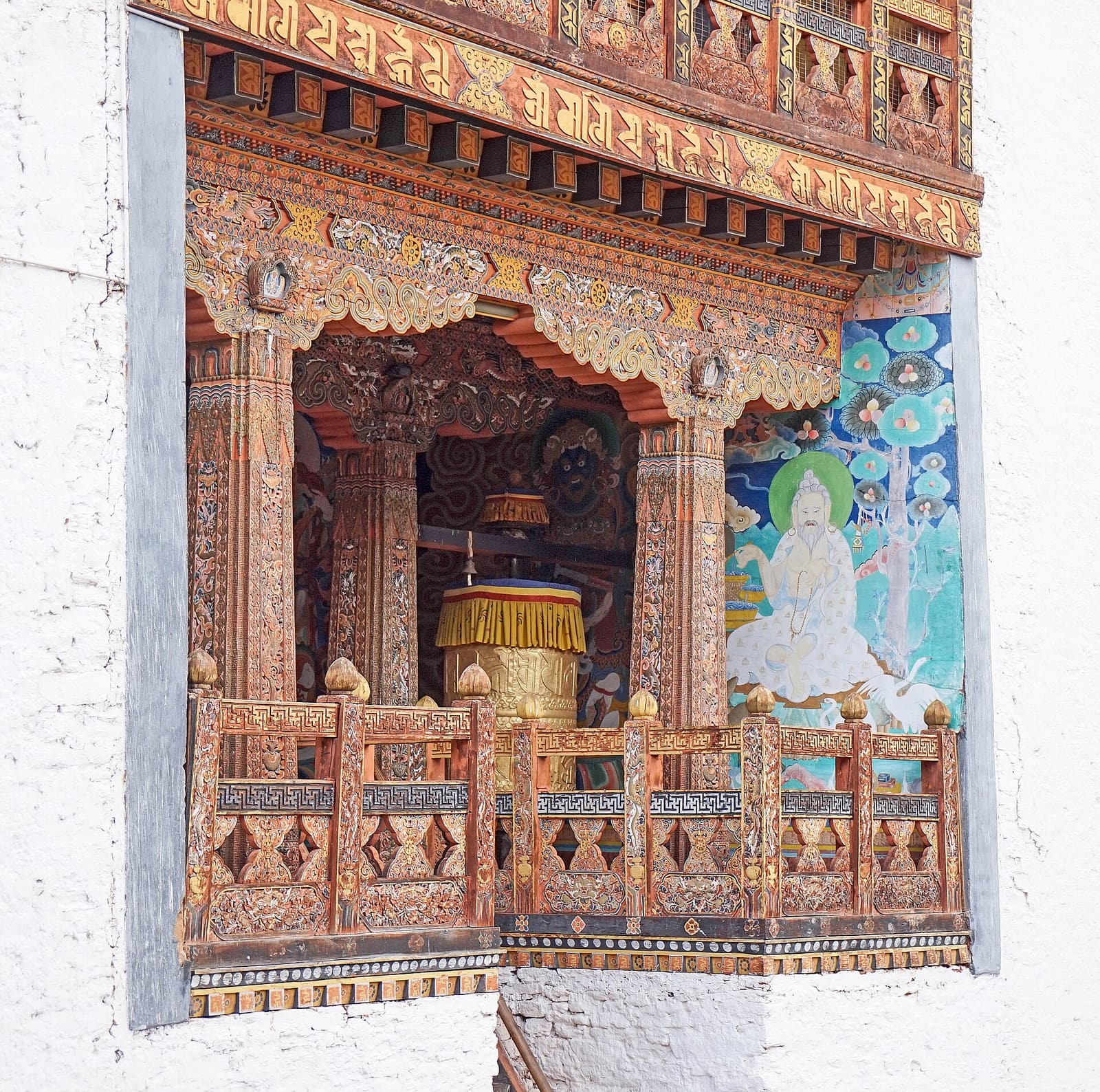
The dzong is laid out around a series of courtyards. Your guide can explain the murals and the double role of monks and civil officials.
See the jacarandas
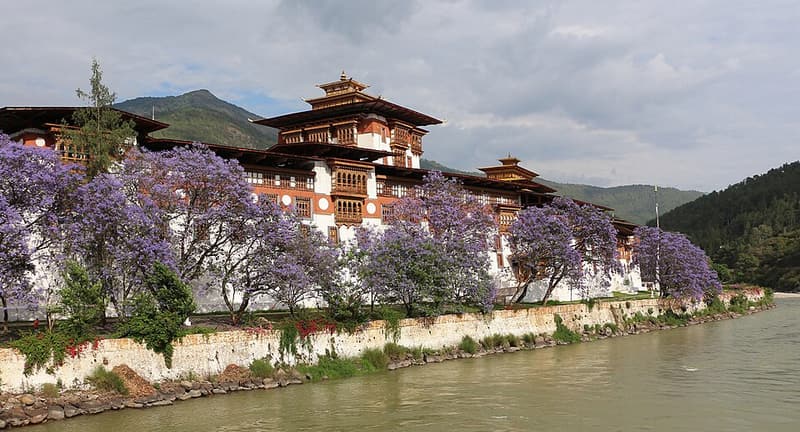
In spring, jacaranda trees along the walls turn violet. This is the most photographed moment of the year.
Time your visit for the festival
The Punakha Drubchen and Tshechu are usually held around February or March. Dates follow the Bhutanese calendar, so check each year.
How to get to Punakha Dzong
- The dzong is a short drive from Punakha town (Khuruthang). Most visitors arrive with their guide and vehicle. See our getting to Punakha guide.
- Sources disagree on hours and fees, and opening can be restricted in winter or during official events. A fee of around Nu 300 is commonly quoted. Ask your operator for the current details.
Insider tips
- Dress modestly: long sleeves and long trousers or a long skirt, with no hats inside.
- Photography is usually restricted inside temples. Ask your guide before raising a camera.
- Remove shoes where asked and walk clockwise around sacred objects.
- Arrive in the late afternoon for softer light on the walls.
Tours that suit Punakha Dzong
These real listings are the closest match for Punakha Dzong. Check each itinerary:
 Private multi-day tour from $493
Bhutan: 4-Day Paro, Thimphu & Punakha Private Tour
The shortest listing we found that reaches Punakha. Four days is tight, because the drive over Dochula takes a big part of two days, but it works if your time is limited.
- Listed by GetYourGuide under Punakha
- Combines Paro, Thimphu and Punakha
- Tiger’s Nest hike and Punakha Dzong in one short trip
 Multi-day tour from $787
Bhutan 6 Days Tour to Thimphu, Paro and Punakha
Six days is the length we suggest for most first visits: enough for Paro, Thimphu and an unhurried stay in Punakha. Confirm on the listing what the price covers.
- Six days across the three classic valleys
- Time for Punakha without racing back
- Listed by GetYourGuide under Punakha
 Private multi-day tour from $1150
6 Days Bhutan Tour - Gangtey
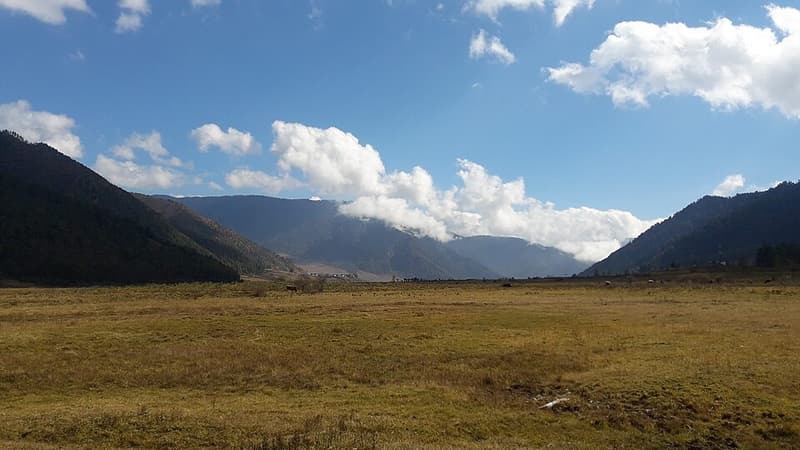
Adds the high Phobjikha valley to the classic route, a good fit if you want landscape as well as dzongs, especially in crane season.
- Paro, Thimphu, Punakha and Gangtey
- Adds the Phobjikha valley
- Tiger’s Nest near the end of the trip