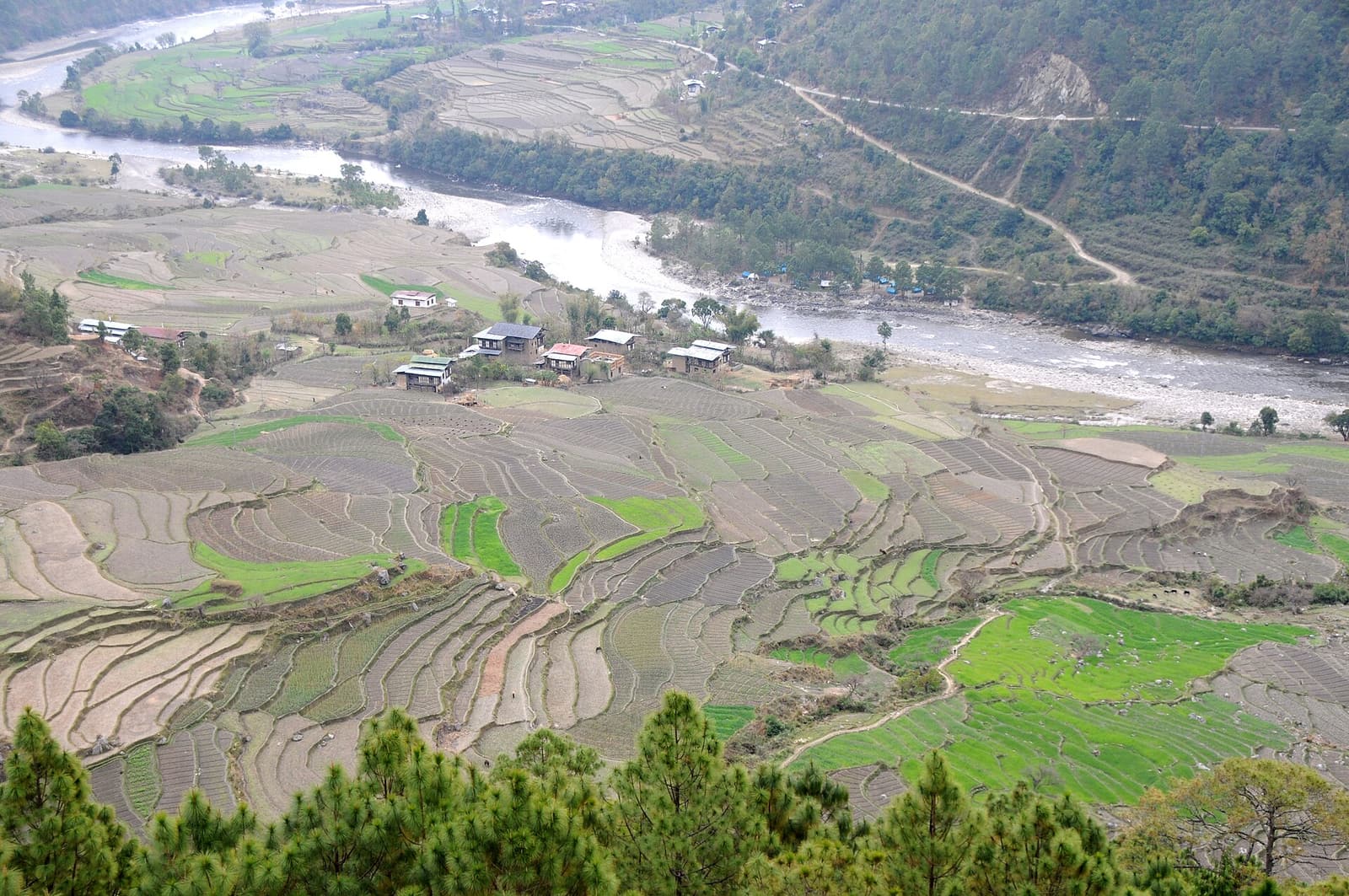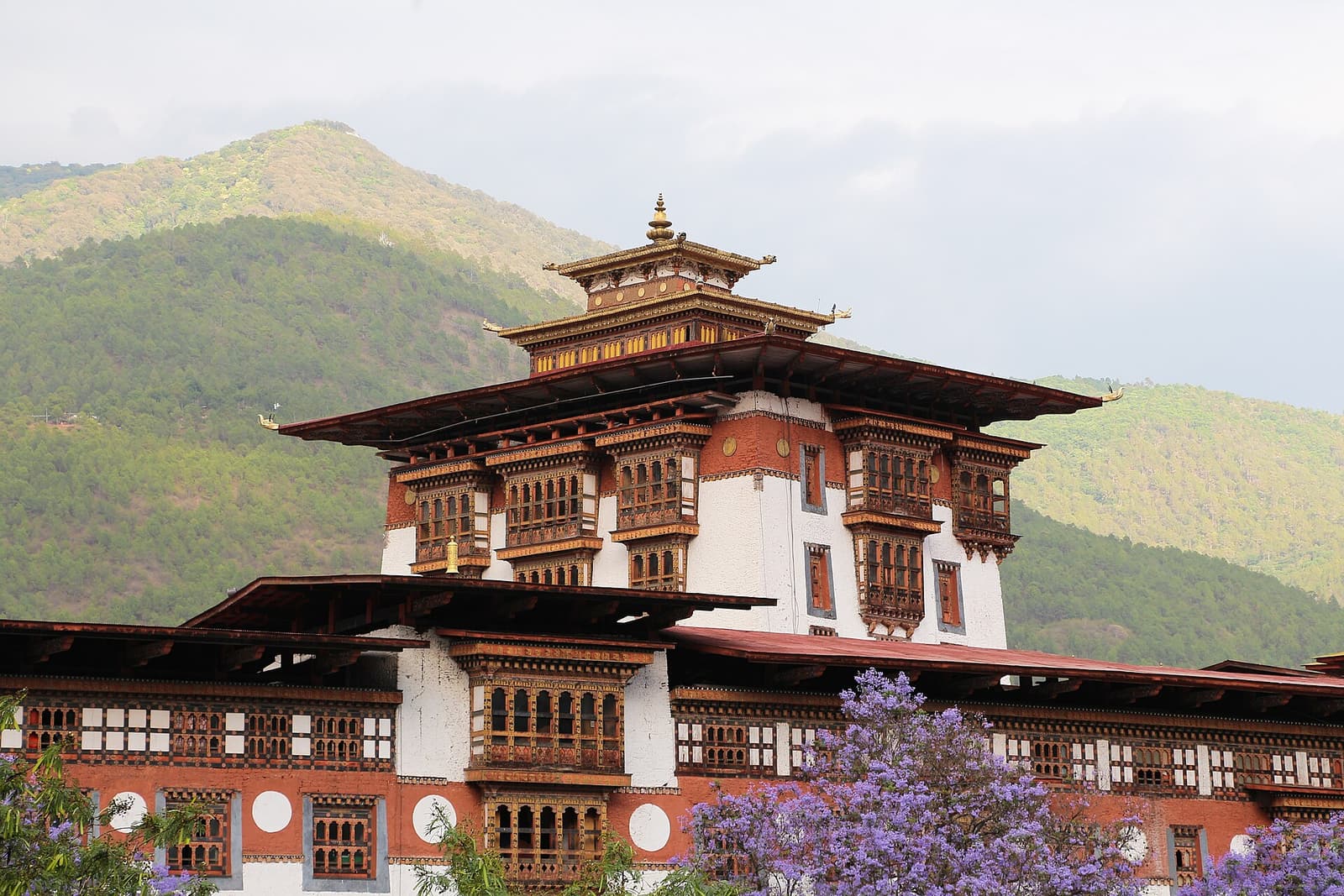
Punakha is the warm heart of western Bhutan: rice fields, wide rivers and the country’s grandest fortress.
A short history
Zhabdrung Ngawang Namgyal, who unified Bhutan in the seventeenth century, founded Punakha Dzong in 1637 and died there. The valley served as the capital until the 1950s, when the government moved to Thimphu. The first king was crowned in the dzong in 1907, and the monastic body still spends the winter here.
How a Bhutan trip works
Bhutan aims for fewer, higher-value visitors. You need a visa and pay a nightly Sustainable Development Fee. Most people book a package with a licensed operator, who arranges hotels, a guide, a driver and permits.
Sample itineraries
- Two days in Punakha: arrive over Dochula, then Chimi Lhakhang. Next day the dzong, bridge and chorten hike.
- Six days in Bhutan: Paro, Thimphu, two nights in Punakha, then Paro and the Tiger’s Nest.
- Eight or more days: add Wangdue and two nights in Phobjikha.
For what to see, browse things to do.
| Topic | What to know |
|---|---|
| Currency | The ngultrum (Nu), pegged to the Indian rupee. Carry some cash. |
| Language | Dzongkha is the national language. English is widely used in tourism. |
| Altitude | The valley is about 1,200 m. Dochula is about 3,100 m. |
| Dress | Cover shoulders and legs at religious sites. |
| Plugs and power | Bring a universal adapter. Power cuts can happen. |
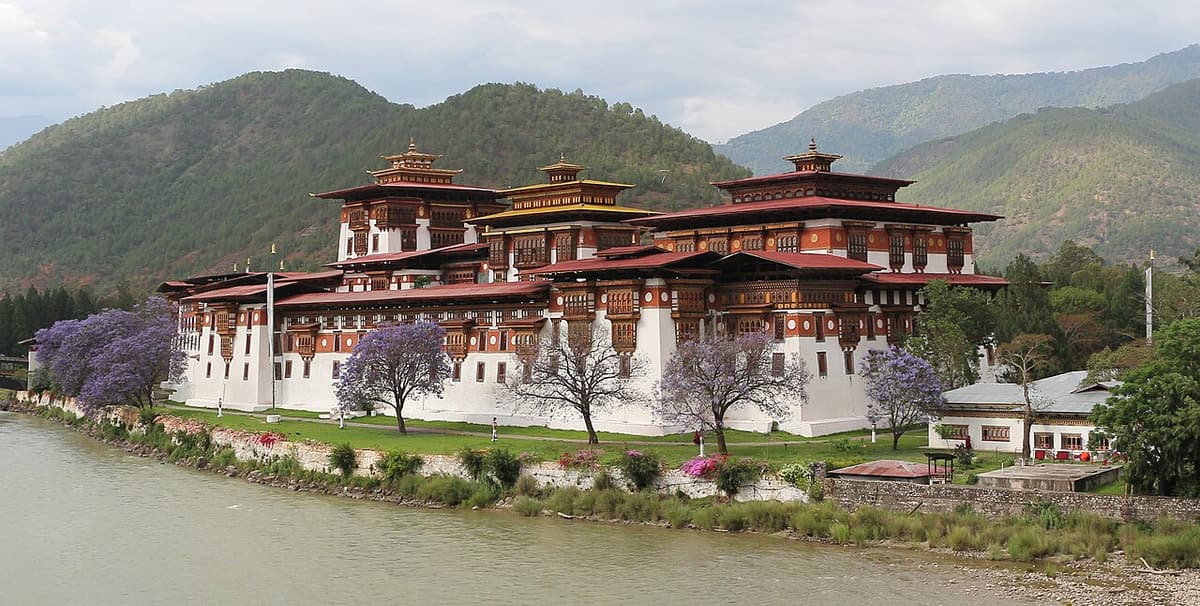 Punakha valley
Punakha Dzong
The Palace of Great Happiness, where two rivers meet
Bhutan’s most admired fortress-monastery stands at the meeting of the Pho Chhu and Mo Chhu. Begun in 1637 by Zhabdrung Ngawang Namgyal, it is still a working monastic and government centre, and the place to start any visit.
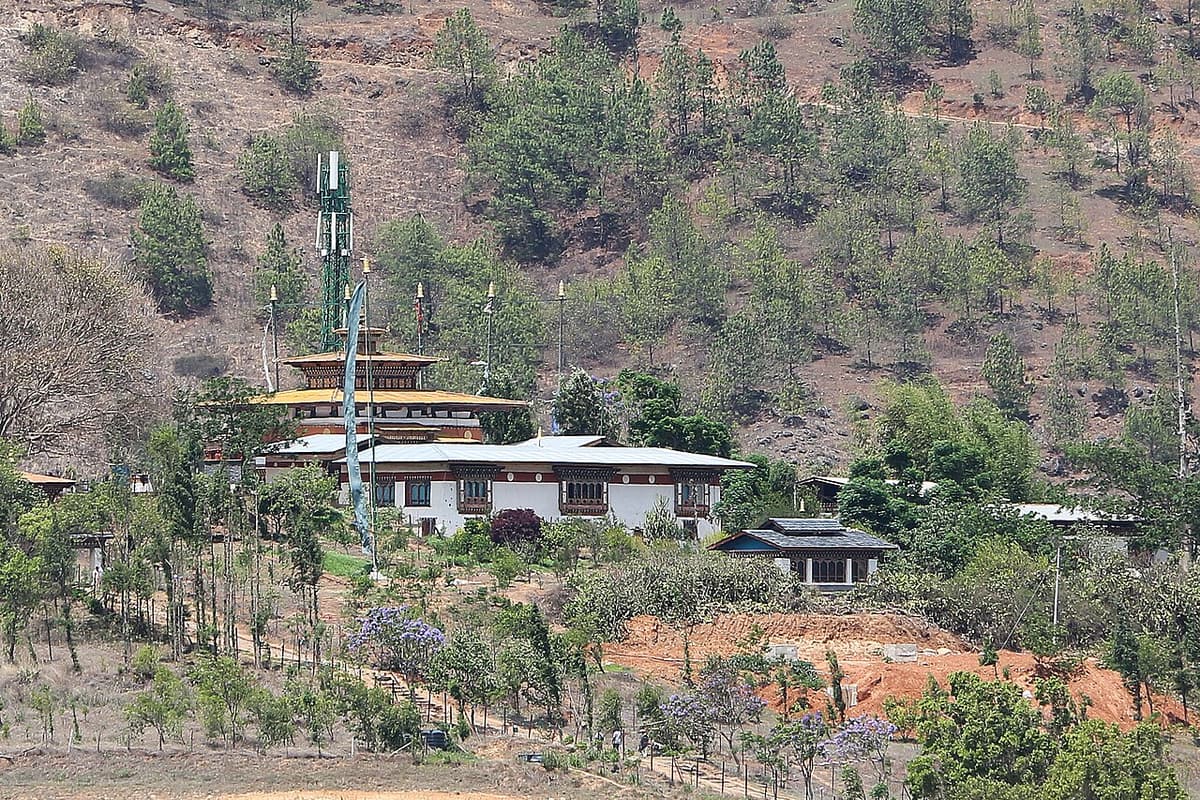 Punakha valley
Chimi Lhakhang
The fertility temple of the Divine Madman
A small temple on a hillock near Lobesa, linked to the unconventional saint Drukpa Kunley. Couples come for fertility blessings, and the walk through rice fields is one of the valley’s gentlest pleasures.
 Punakha valley
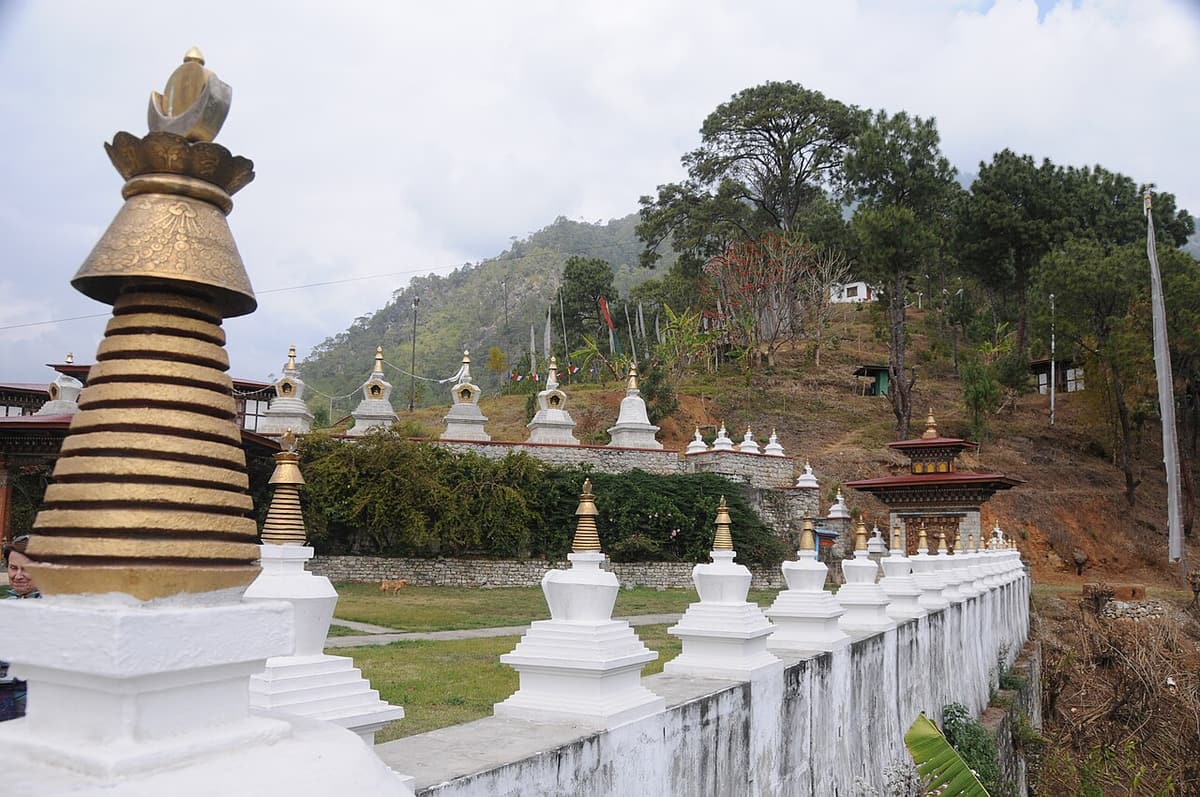
Khamsum Yulley Namgyal Chorten
A hilltop chorten above the upper valley
A striking modern chorten built under the patronage of a Queen Mother of Bhutan, reached by a footbridge and a climb through rice terraces. The roof gives one of the best views in the valley.
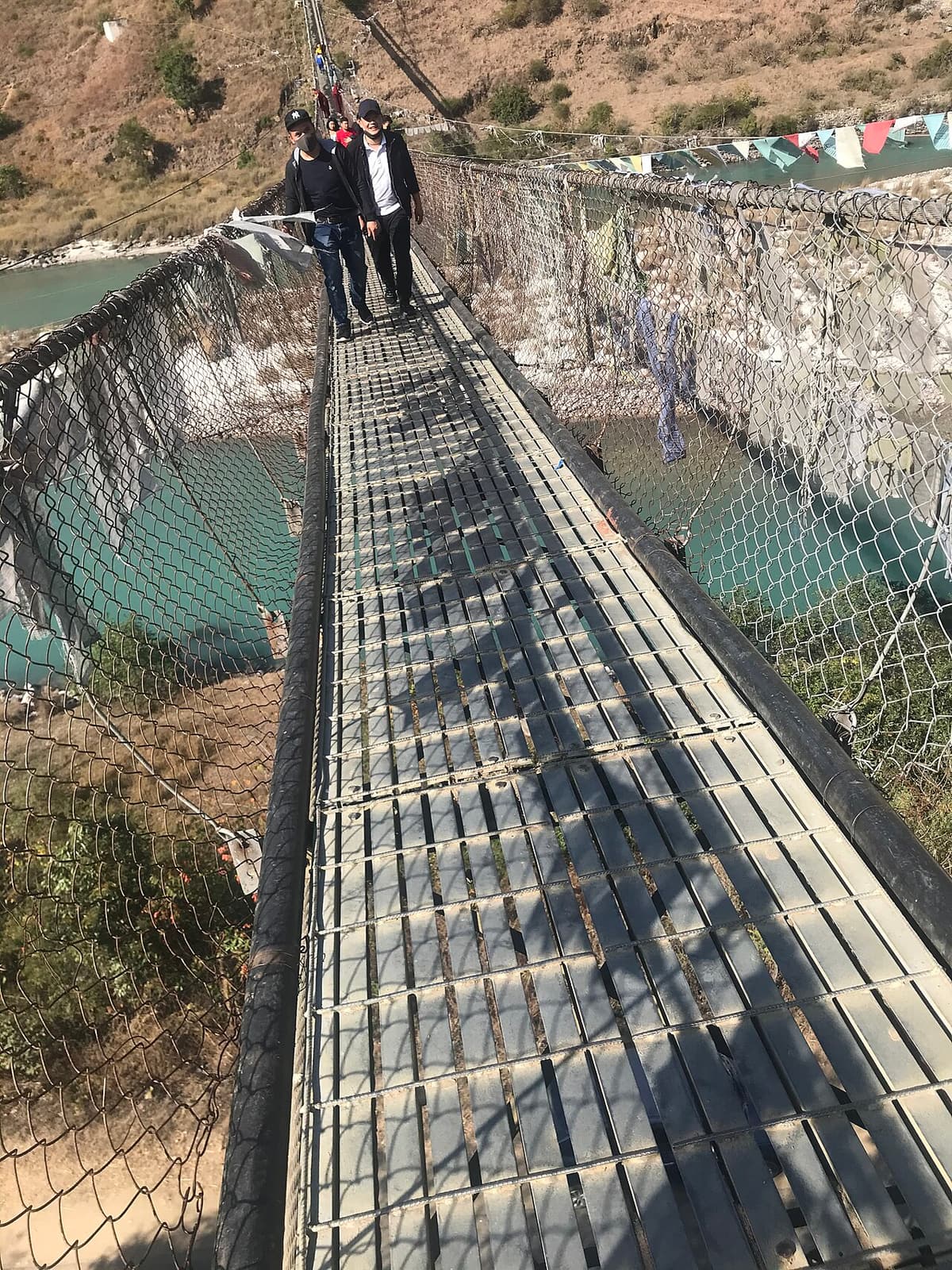 Punakha valley
Punakha Suspension Bridge
One of Bhutan’s longest footbridges
A long, swaying footbridge hung with prayer flags over the Po Chhu, not far from the dzong. It takes only a short time to cross, and it is a favourite stop for photographs and a stretch of the legs.
Etiquette
Walk clockwise around chortens and temples. Do not point at sacred objects. Remove your hat and shoes when asked. Ask before photographing monks or people, and follow all photography rules inside temples.
Food
Expect red rice and ema datshi, the national chilli and cheese dish. Hotels usually tone down the chilli for visitors, so ask if you would like it the local way.
Health and safety
Bhutan feels very safe, but roads are winding and medical care is limited outside the towns. Take out travel insurance that covers evacuation. Ask your doctor about any vaccines or medicines you may need.
What to pack
Layers for warm days and cool evenings, a warmer jacket for Dochula and Phobjikha, walking shoes, sun protection, modest clothes and any medication you need.